 |
 |
 |
 |
 |
 |
|
Attention
completists, anoraks and the plain curious...
For a comprehensive list of every gig held at Milestones 
|

|
A selection of just some of the great acts to grace Milestones over the years. Click on the pictures to see them full size. (Images open in a new window, which should be closed to return to this page). |
|
Michael
Garrick |
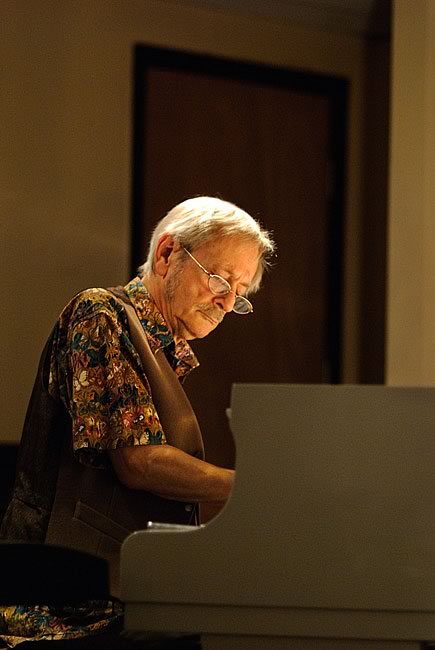 |
Nette Robinson | 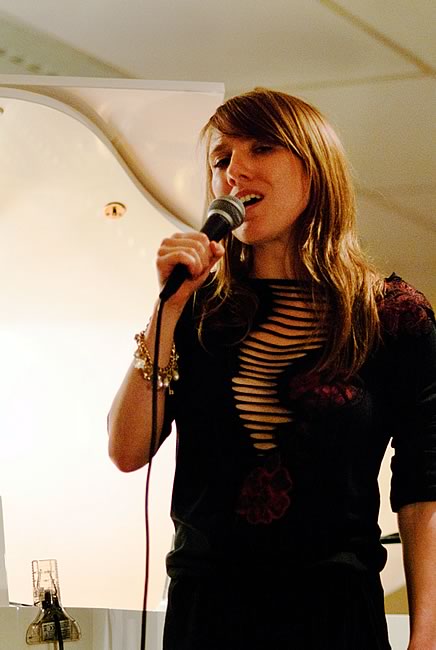 |
|
| Photographs courtesy of Bruce Lindsay | ||||
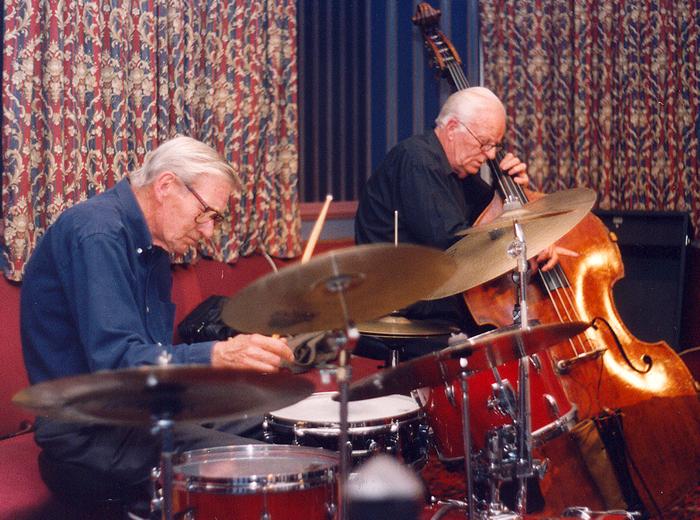 |
Jack Parnell and Lennie Bush RIP
Jack (1923-2010) |
| Art Themen | 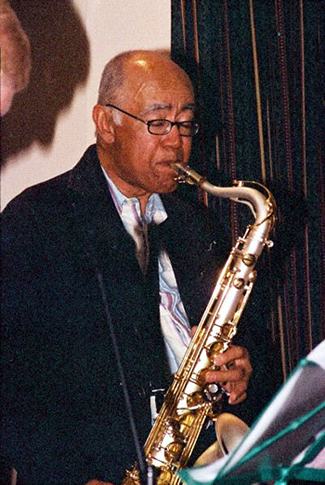 |
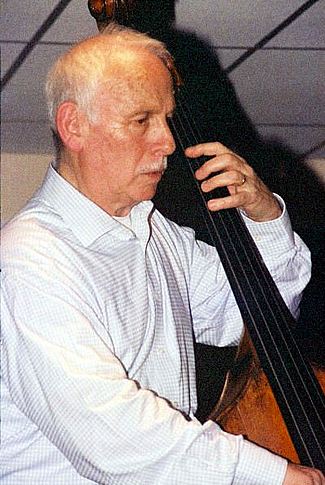
Jeff Clyne (1937-2009) RIP Jeff. Read Nick Weldon's tribute here |
 |
|
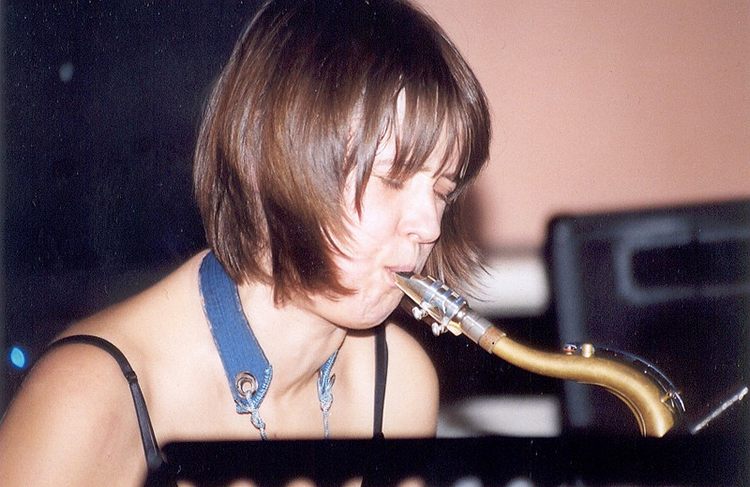
Ingrid
Laubrock
|
 |
| Don Weller | 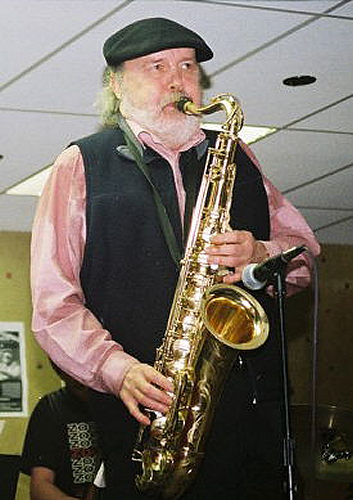 |
Peter King | 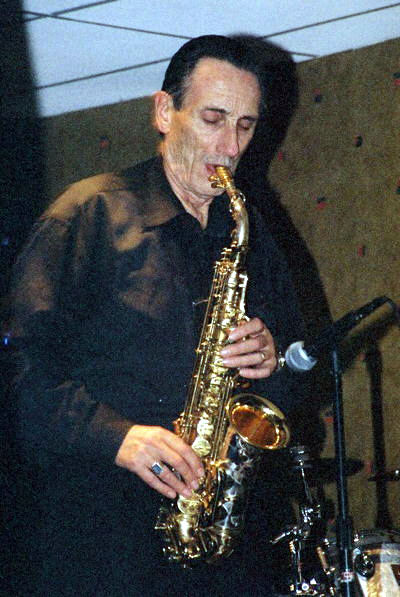 |
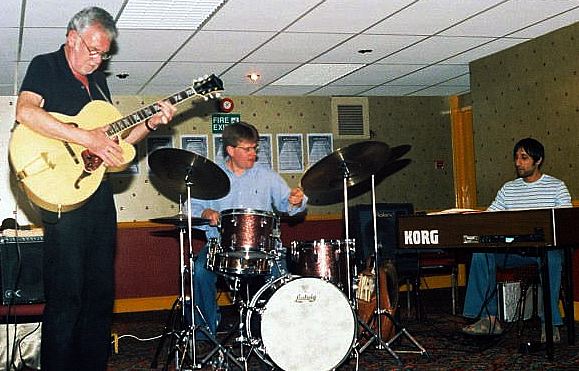 |
The
Organ Trio
|
|
The Freddie
Gavita Quintet
(L-r: James Maddren; Tom Farmer; Freddie Gavita; George Crowley; Kit Downes) |
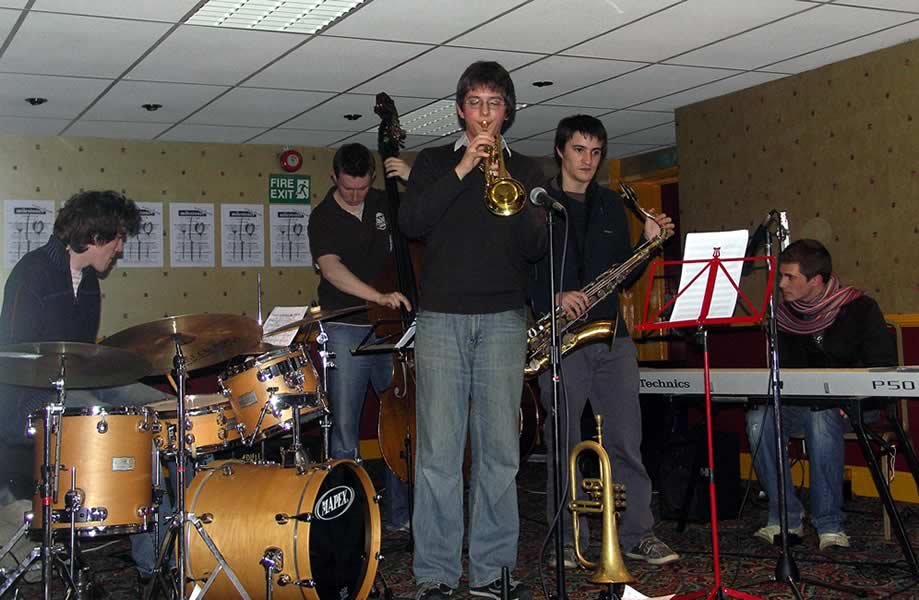 |
| Roger Beaujolais | 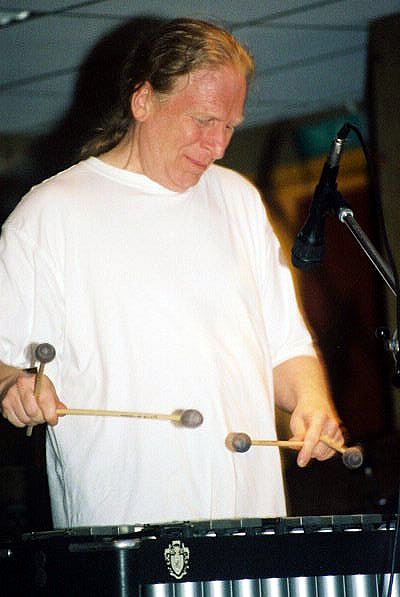 |
Henry Lowther | 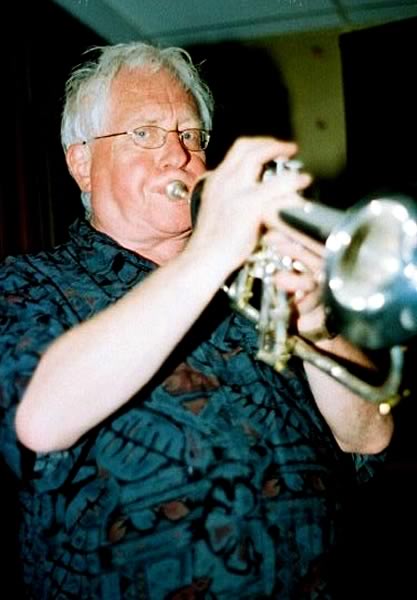 |
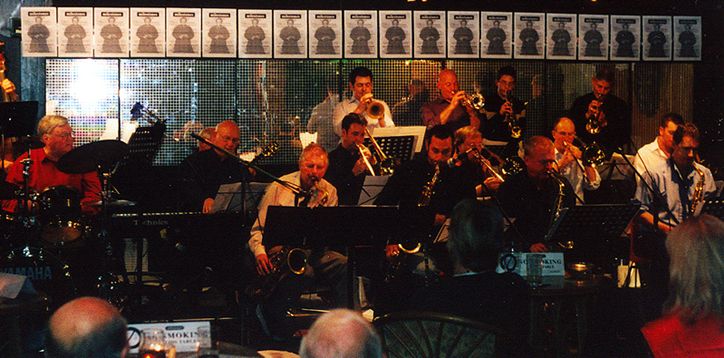 |
The
Eastern Bloc Big Band
|
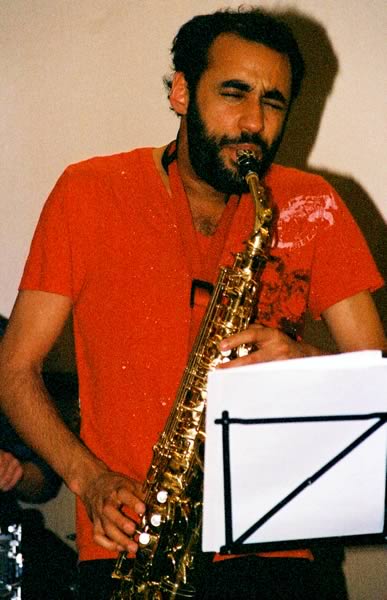
| Chris
Williams (The Gianni Boscarino Quartet) |
 |
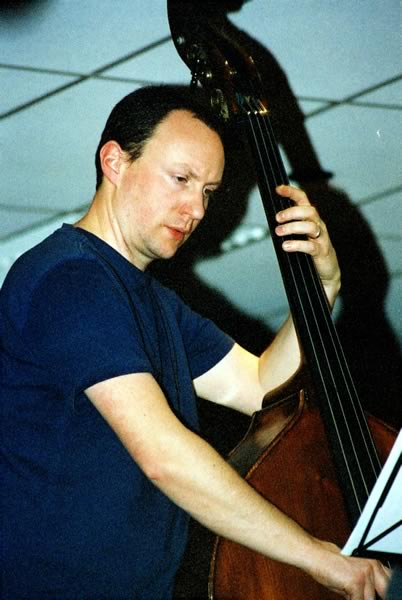
Oli Hayhurst (Carlos Lopez-Real's Mandorla) |
 |
|
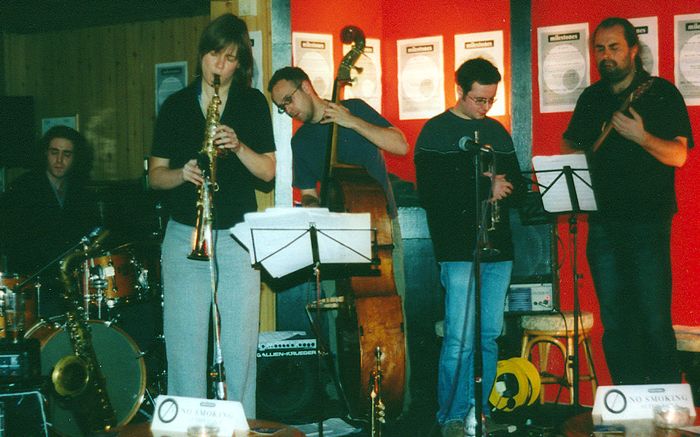
Tom Arthur's
Centripede
|
 |
| Michael Bammie Rose | 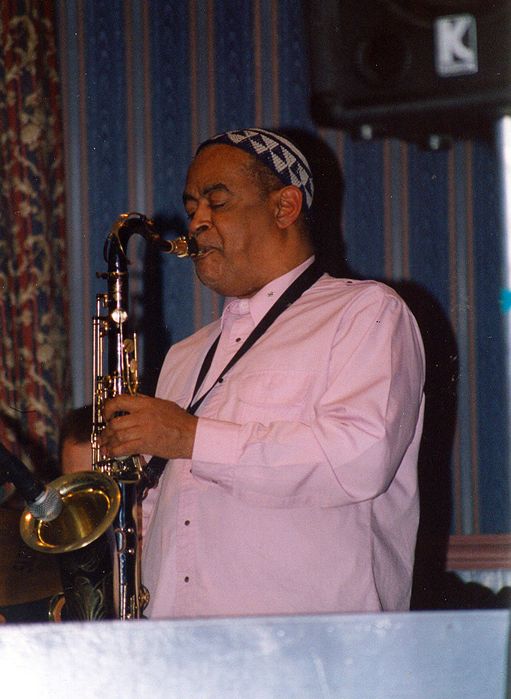 |
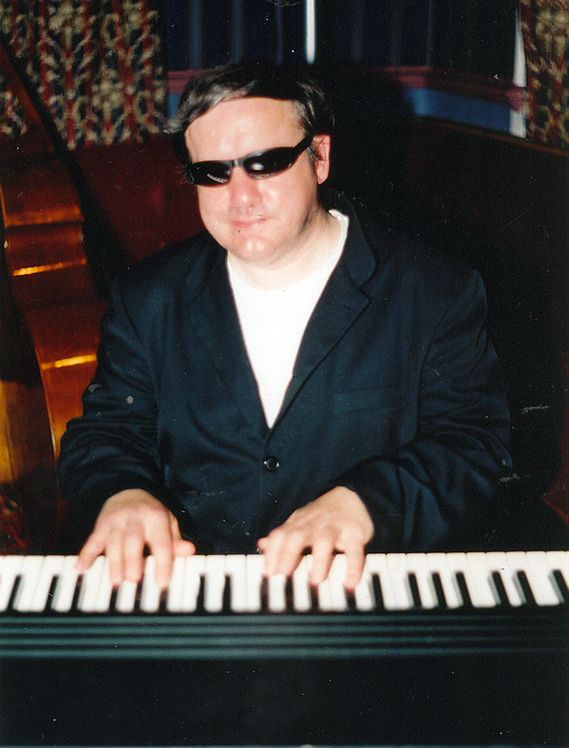
Pete Jacobsen |
 |
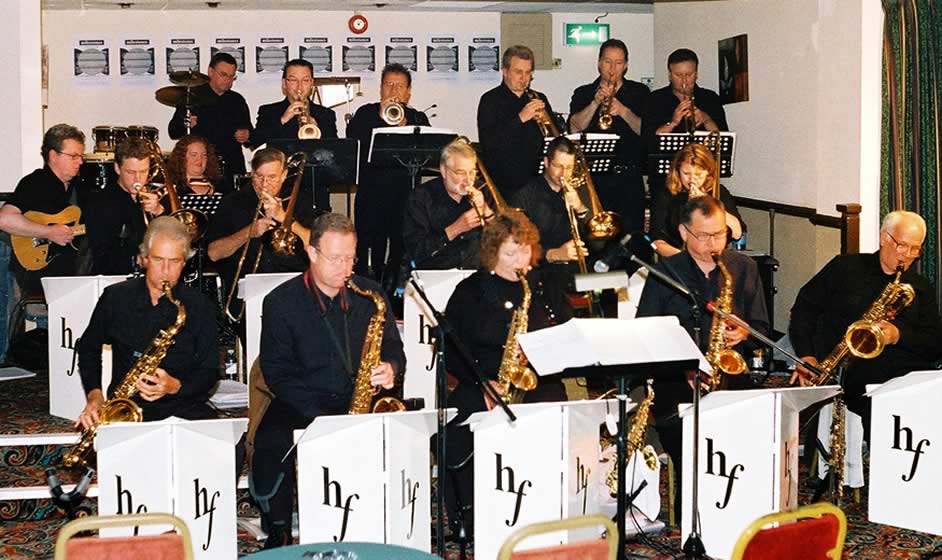 |
Horn
Factory
|
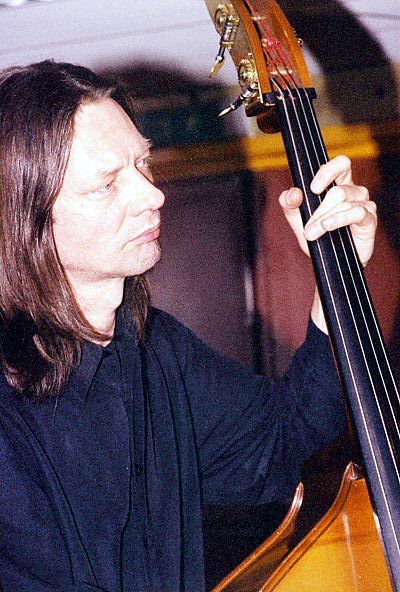
| Alex Keen |
 |
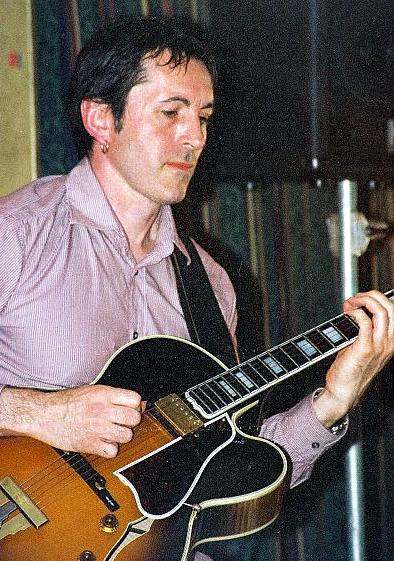
Jasper Smith |
 |
| The Tommaso Starace Quartet | 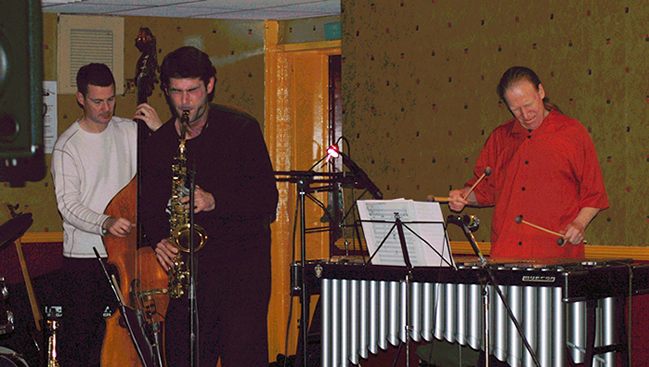 |
| Simon Youngman, Trevor Rowland, Will McMorris (Son Salsa) | 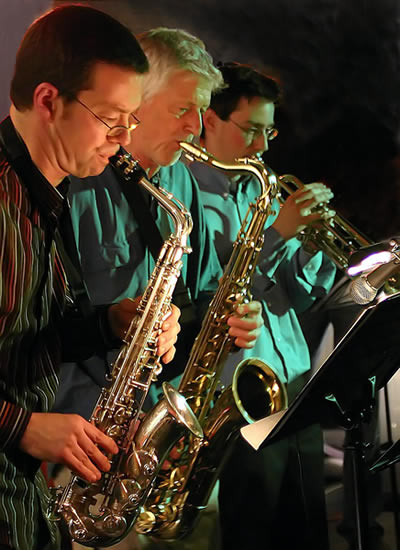 |
Danny Howard (Son Salsa) | 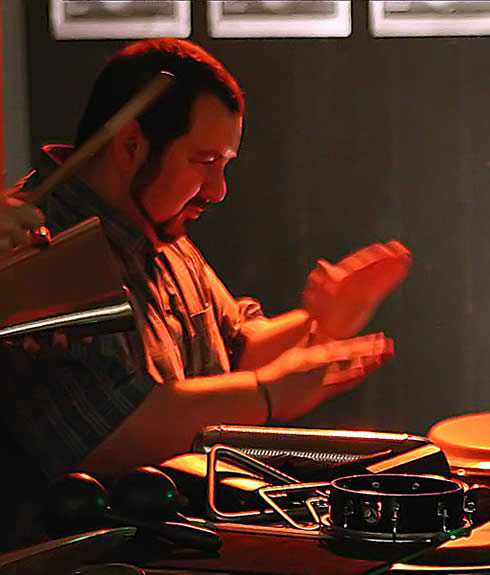 |
|
|
Photographs
courtesy of Dave Spoor
|
||||
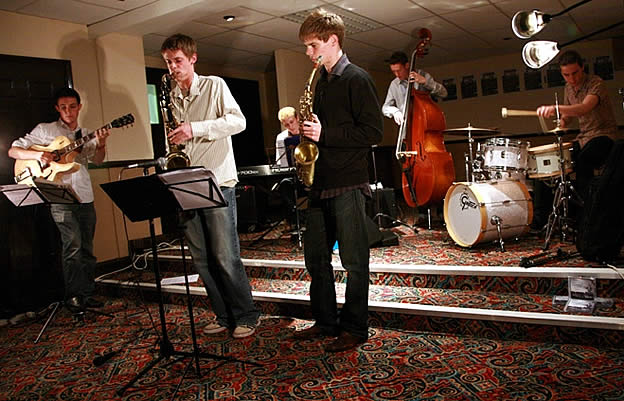 |
The
Jazz Funk Collective
|
|
Photograph
courtesy of Geoff
Harriman
|
|
| Andrea Trillo (The Tommaso Starace Quartet) | 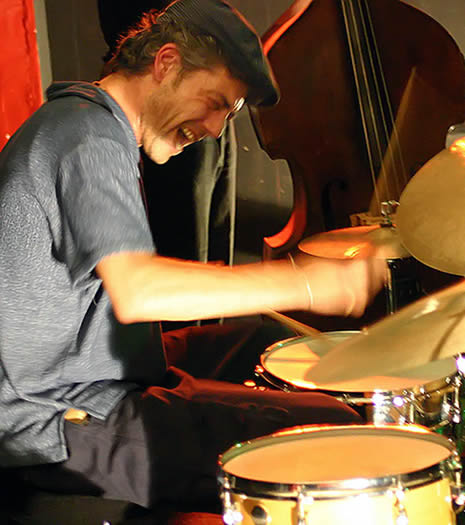 |
Simon Youngman | 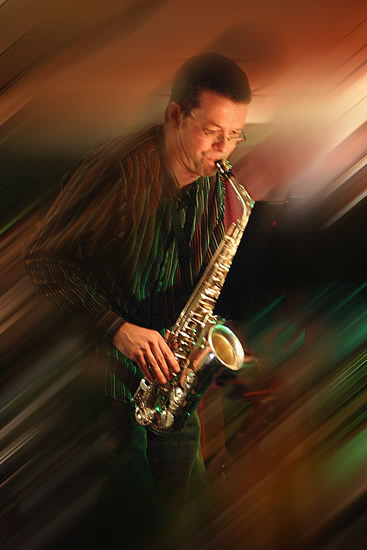 |
|
|
Photographs
courtesy of Dave Spoor
|
||||
|
Compassionate Dictatorship (L-r: Jez Franks, James Maddren, Jasper Høiby, Tori Freestone) |
|
|
Photograph
courtesy of Bruce
Lindsay
|
|
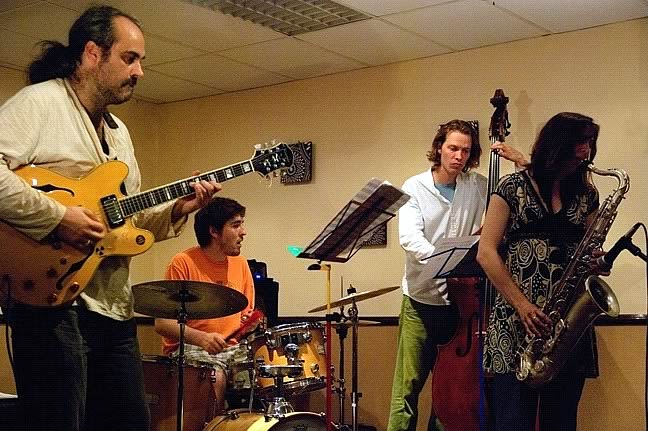
| Ben Davis |
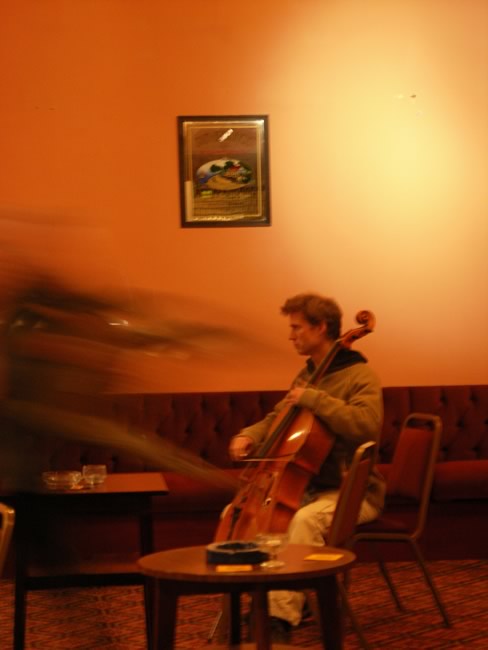 |
Andy Hamill (The Tony Woods Project) |
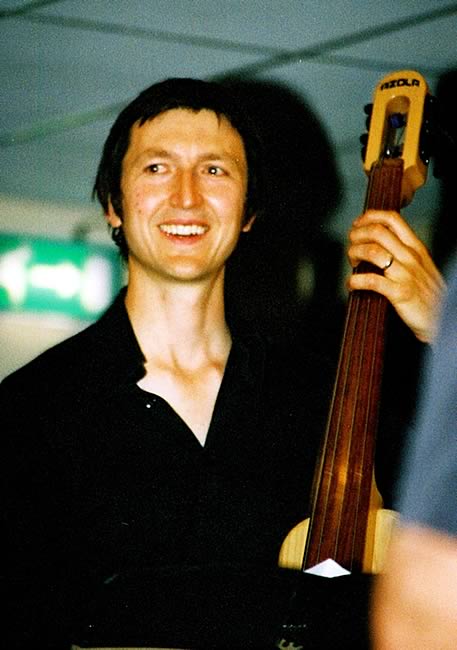
|
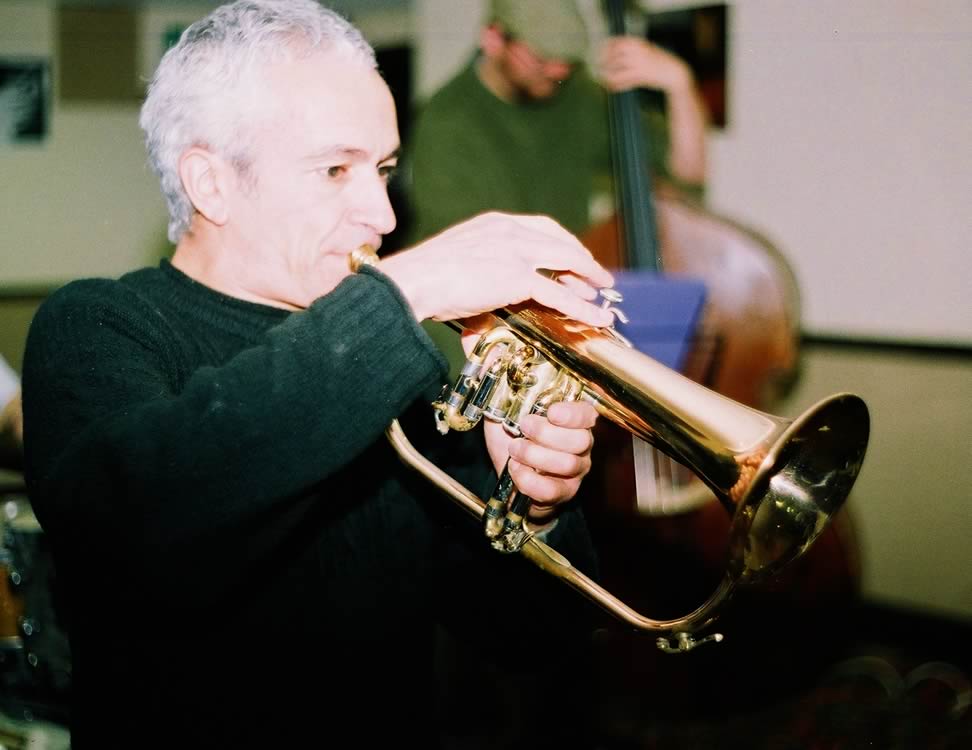 |
Loz
Speyer
|
| Simon Spillett |
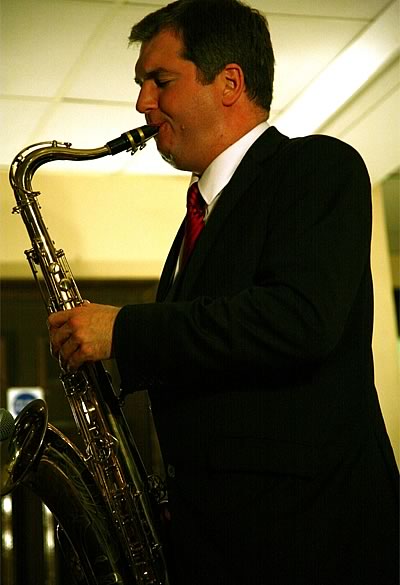 |
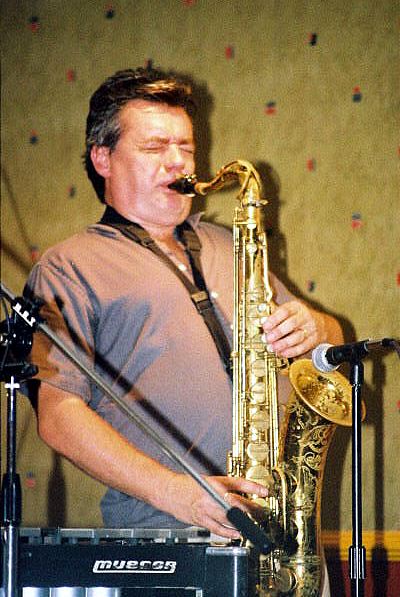
Mark Lockheart |
|
|
|
Photograph
courtesy of Geoff
Harriman
|
||||
|
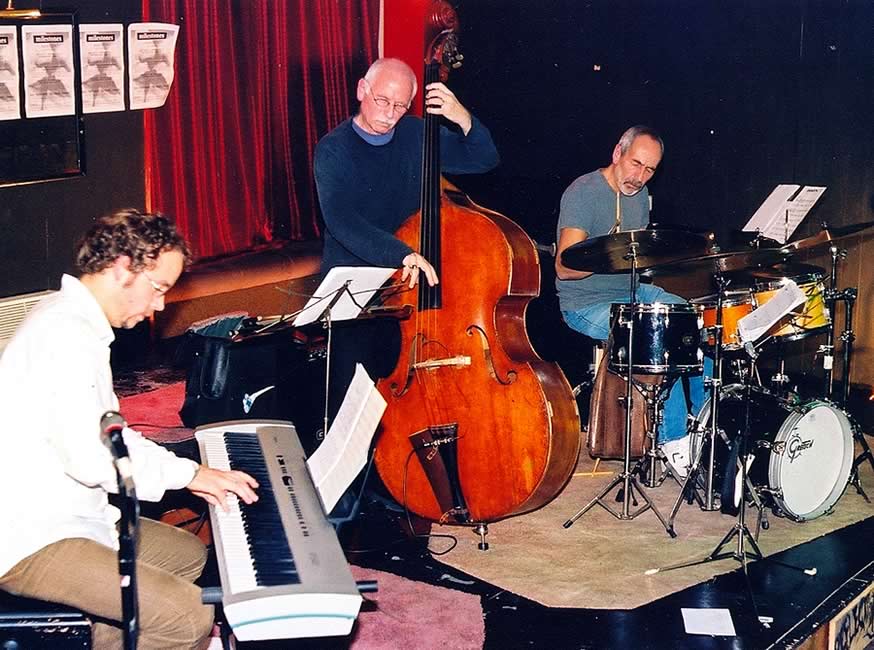
The Guy Gardiner Trio (L-r: Guy Gardiner, Jeff Clyne and Trevor Tomkins) |
|
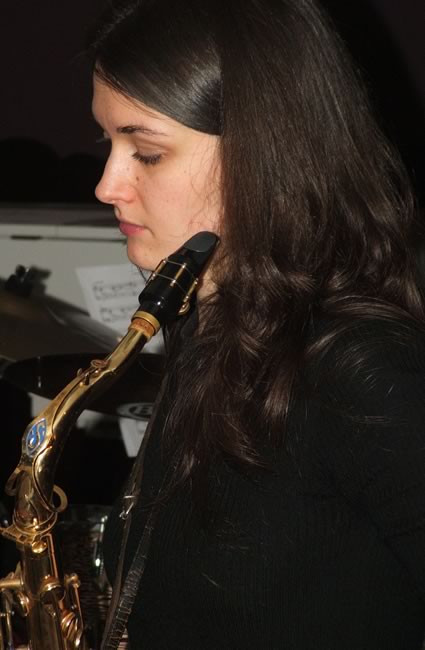
| Trish Clowes |
 |
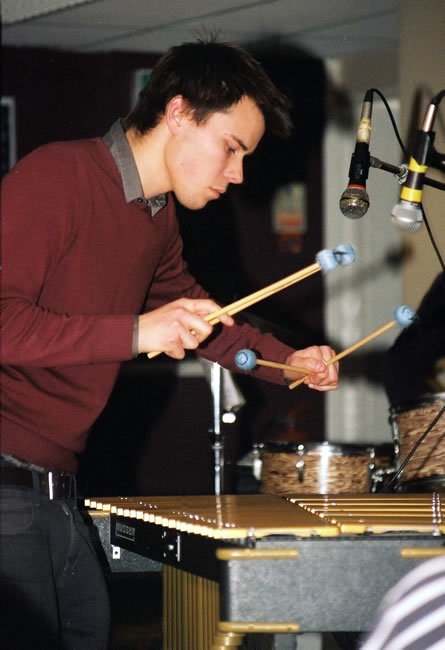
Lewis Wright |
|
|
'And
even when their kids were starving From 'The People Who Grinned Themselves to Death', The Housemartins (1987)
Improvisation takes place not only in performance but in the way a band develops. There is a group decision perpetually taking place, a collective intelligence that wants everyone to express themselves. That's the ideal. Jazz's unique shot at greatness lies in its active creation, which is, as it were, off the cuff. So much of Western art has self-consciously strived to appear artless; jazz has the unique distinction of artlessly becoming artful. To close I offer a scenario: if all the written music in the world suddenly burned up in a flash, who would still do a gig the same night, with complete strangers, and no rehearsals? From sleeve notes to 'Art of the Trio 4 - Back at the Vanguard', Brad Mehldau (1999)
When an earnest interviewer asked (trombonist) Joe Nanton if he considered (Duke) Ellington a genius, Nanton replied, "I don't know about that, but, Jesus, he can eat!" From 'Jazz Anecdotes', Bill Crow (1991)
Q. A lot has been said about you but the main thing is that people recognise the fact that you are able to play with real sincerity every style of music. Not only every style but you can play all parts of a given piece at the same time on this one instrument: the bass. Now because there's a lot of people going crazy trying to duplicate what you do, people have become great fans of the bass, giving it quite a bit of attention. How do you really feel about that? A. Give me a gig!
Jaco Pastorius brings interviewer and bassist Jerry Jemmott back to earth. From 'Jaco Pastorius - Modern Electric Bass' (1985). View on YouTube HERE
"There are always people who don't want to make changes, who are set in their ways. It's just the same today. We know we are going to find new and better music. We wouldn't be happy if it were to change back to Bing Crosby or Les Paul or Mary Ford, or whatever it was. Nothing wrong with it, but it's gone. There's a new kind of music, and it's on its way". Les Paul interviewed by Ed Pilkington in The Guardian (July 24 2008)
"There are only two kinds of songs; there's the blues, and there's zip-a-dee-doo-dah". Attributed to Townes Van Zandt
"Jazz
musicians are the only workers I can think of who are willing to
put in a full shift for pay and then go somewhere else and continue
to work for free". George Carlin talking about jam sessions
"If people want sacred experiences they will find them here. If they want profane experiences, they’ll find them too. I take no sides". Mark Rothko quoted in Newsweek (23 January, 1961)
"The day I met Ornette [Coleman], it was about 90 degrees and he had on an overcoat. I was scared of him". Don Cherry quoted in ‘Jazz’ (December 1963)
Homo sum: humani nil a me alienum puto [I am a human being, so nothing human is strange to me] From ‘Heauton Timorumenos’ [The Self-Tormentor], Terence (163 BC)
When you do not know what you are doing and what you are doing is the best - that is inspiration. From
‘Notes on Cinematography’, Robert Bresson (1975)
"I have no interest in being a musician. My interest is in being a better person". Pat Martino interviewed by Bill Donaldson, April 23, 2001, for Cadence magazine (December 2005)
"He's not just a saxophone player, he's something else. He's iconic, a leader without having to explicitly say it. I think you'd follow Sonny into war". Charlie Watts on Sonny Rollins, quoted in The Observer Music Magazine, Sunday 24 January 2010
"Jazz is unpredictable and it won’t behave itself", J J Johnson interviewed in The Jazz Educators Journal, October 1994
That
it will never come again
Is jazz becoming terminally fossilized? It is not impossible. If this should be the fate of jazz, it will not be much consolation that Clint Eastwood has buried Bird in a celluloid mausoleum and that every hairdresser and cosmetics store plays tapes of Billie Holiday. However, jazz has shown extraordinary powers of survival and self-renewal inside a society not designed for it and which does not deserve it. It is too early to think that its potential is exhausted. Besides, what is wrong with just listening and letting the future take care of itself? From ‘Uncommon People – Resistance, Rebellion and Jazz’, Eric Hobsbawm (1998)
What do they know of cricket who only cricket know? From ‘Beyond a Boundary’, CLR James (1963)
The English pianist Alan Clare was once intrigued with a workman who was carrying out some remodelling in his house. Clare was playing some recordings, and he began to notice that the workman was whistling along with whatever music he put on – Beethoven, Rachmaninoff, it didn’t seem to matter. Even if he hadn’t heard it before he had the natural musical ability to follow a melody closely and almost automatically. Clare decided to give him a real test and dug up his recording of Art Tatum doing ‘Tea For Two’, with the ground breaking-chord changes Tatum introduced into the tune. The workman never lost a beat nor did he lay out for a bar or two to figure out what was going on. He tracked Tatum flawlessly through all his changes, and when the record ended, he spoke for the first time. He glanced at Clare and with classic English understatement said, "Tricky fucker, ain’t he?" From ‘Too Marvelous for Words – The Life and Genius of Art Tatum’, James Lester (1994) |